The two most common clothing shots on white, side by side: what each shows, which garments suit which, what they cost, and why mixing them carelessly makes a store look untidy.
Flat lay and ghost mannequin are the two most common ways to photograph clothing on a white background. Both look clean, both are easy to keep consistent across a range, and neither needs a model. The difference is shape: a flat lay shows a garment lying down, and a ghost mannequin shot shows it standing up, as if someone invisible were wearing it. Which one is right depends on the garment, the size of your range and your budget.
The short answer: use a flat lay for garments that keep their shape lying down and for large ranges where cost matters most, use a ghost mannequin for garments whose structure sells them, and use a model when the buyer needs to see how something fits on a body.
What each shot is
Flat lay
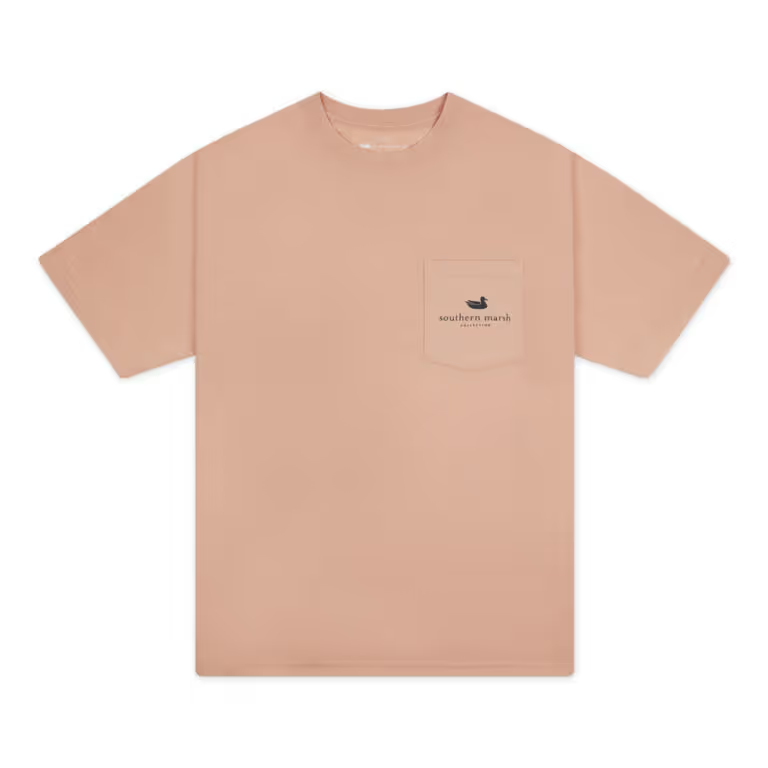
The garment is steamed, laid flat on a surface and photographed from directly above. It is quick to set up and every product goes through the same setup, which makes it the fastest way to shoot a large range. Our flat lay photography guide covers how it is done.
Ghost mannequin
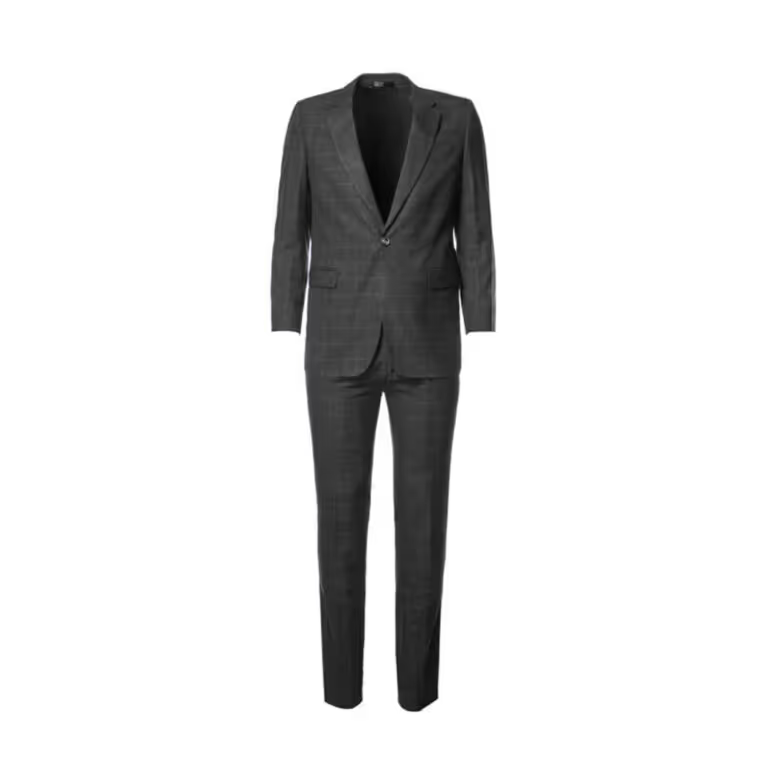
The garment is dressed on a mannequin of the right size and photographed from the front, and from the back or side if you need those angles. In retouching the mannequin is removed, so the collar, shoulders and hem keep their real, three-dimensional shape with nobody inside. Many studios also photograph the inside of the back of the neck separately and add it in, so the opening shows the label and lining instead of an empty gap.
Side by side
| Flat lay | Ghost mannequin | |
|---|---|---|
| Shows | The garment's outline, lying flat | Its shape and structure, as if worn |
| Setup per garment | Fast: steam, lay out, shoot | Slower: dress and pin the form to size |
| Retouching | Light: background, lint, color | Heavier: removing the mannequin |
| Price at Studio Nula | $39 | $69 |
| Watch out for | Garments look wider and flatter than when worn | The garment must fit the form |
When a flat lay is the better choice
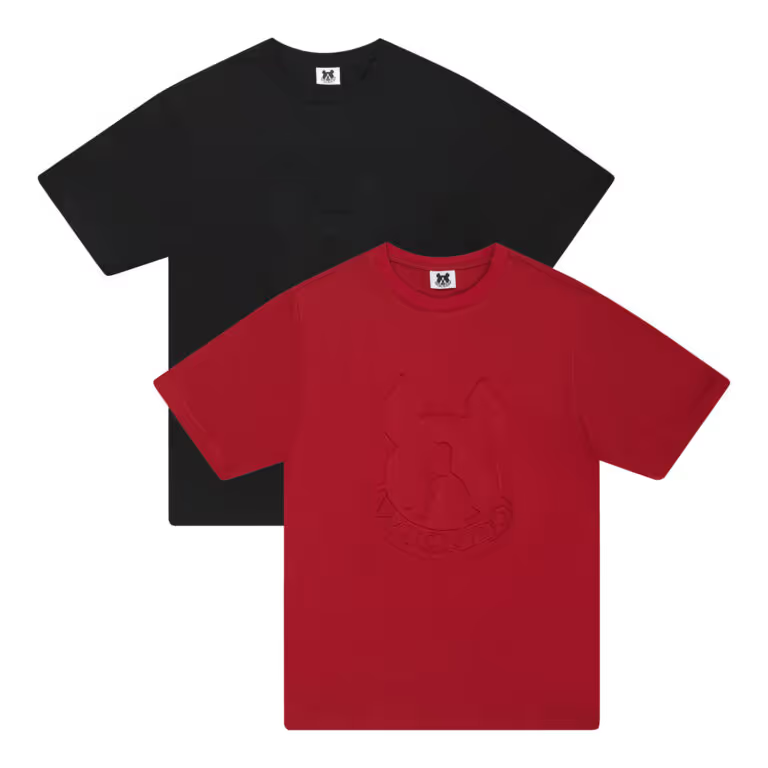
- T-shirts, sweatshirts, knitwear and denim, which lie flat without losing their shape.
- Kidswear, basics and multipacks, where a lower-priced garment calls for a lower-priced shot.
- Large ranges and frequent restocks, where the price per image adds up fastest.
- Styled content: a group flat lay arranges a whole outfit, with shoes and accessories, as one composition for lookbooks and social posts.
When ghost mannequin is the better choice
- Jackets, coats and blazers, whose structure is the point. Laid flat, a tailored shoulder simply collapses.
- Dresses and anything with drape, where the way the fabric falls is part of what is being sold.
- Shirts and tailoring, where the collar and the front need to stand up.
- Premium ranges, where a three-dimensional shape reads as more expensive than the same garment lying down.
A ghost mannequin shot depends on fit. The garment has to suit the form: a piece that is too small cannot be dressed, and one that is too large has to be clipped, which can show. Check the mannequin sizes before you ship, and send the larger size if you are between two.
Garment by garment
| Garment | Usual choice |
|---|---|
| T-shirts and sweatshirts | Flat lay |
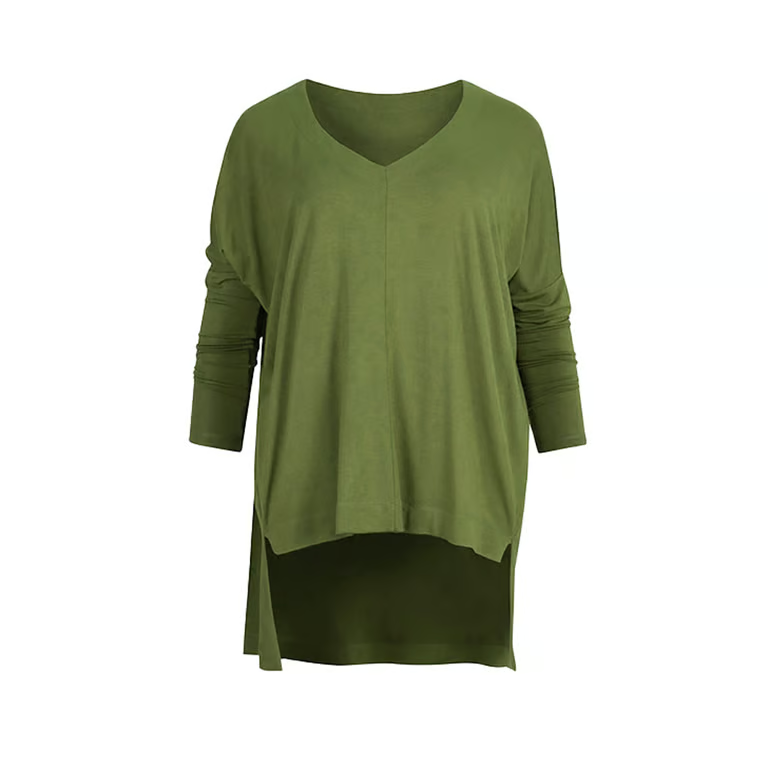
| Knitwear | Flat lay; ghost mannequin for structured cardigans |
| Jeans and casual trousers | Flat lay |
| Shirts | Ghost mannequin, or a hanged shot |
| Jackets and coats | Ghost mannequin |
| Dresses | Ghost mannequin, or on a model |
| Suits and tailoring | Ghost mannequin, often as a pair |
| Kidswear basics | Flat lay |
A hanged shot, at $39, is a third option for shirts and outerwear: the garment keeps its natural drape without the cost of a mannequin.
Pairs and outfits
Both styles can put two pieces in one frame. A flat lay pair, such as a top with its matching bottom or one style in two colorways, is $78. A ghost mannequin pair, such as a jacket with its trousers, is $139.
What the difference costs
A ghost mannequin shot costs more per image because each garment takes longer to dress and to retouch. Across a range the gap adds up: fifty garments with a front and a back shot each is a hundred images, which is $3,900 as flat lays and $6,900 as ghost mannequin at our current prices. Many brands split the difference by using flat lays for basics and ghost mannequin for the pieces whose shape sells them.
Mixing them on one store
Mixing styles is fine across categories and untidy within one. A grid where every T-shirt is a flat lay and every jacket is on a ghost mannequin looks deliberate; a grid where the T-shirts alternate between the two looks unfinished. Choose one style per category, keep the camera angle, crop and margins the same within it, and save those settings so every new product matches.
Where a model fits in
Neither shot shows how a garment fits on a body. For the pieces where fit decides the sale, or for the hero image of a collection, add an on-model photo at $79. On-model orders have a minimum of 20 images, because a model is booked for the day whatever the count, so most brands use models for selected pieces and flat lay or ghost mannequin for the rest.
Trying both
Studio Nula shoots flat lays from $39 and ghost mannequin from $69, with steaming, styling and retouching included. See flat lay product photography and ghost mannequin photography for examples and prices. If you have not worked with us before, the first shot is free and nothing is owed on it, which makes it an easy way to see one garment both ways. Ask for your free first shot.