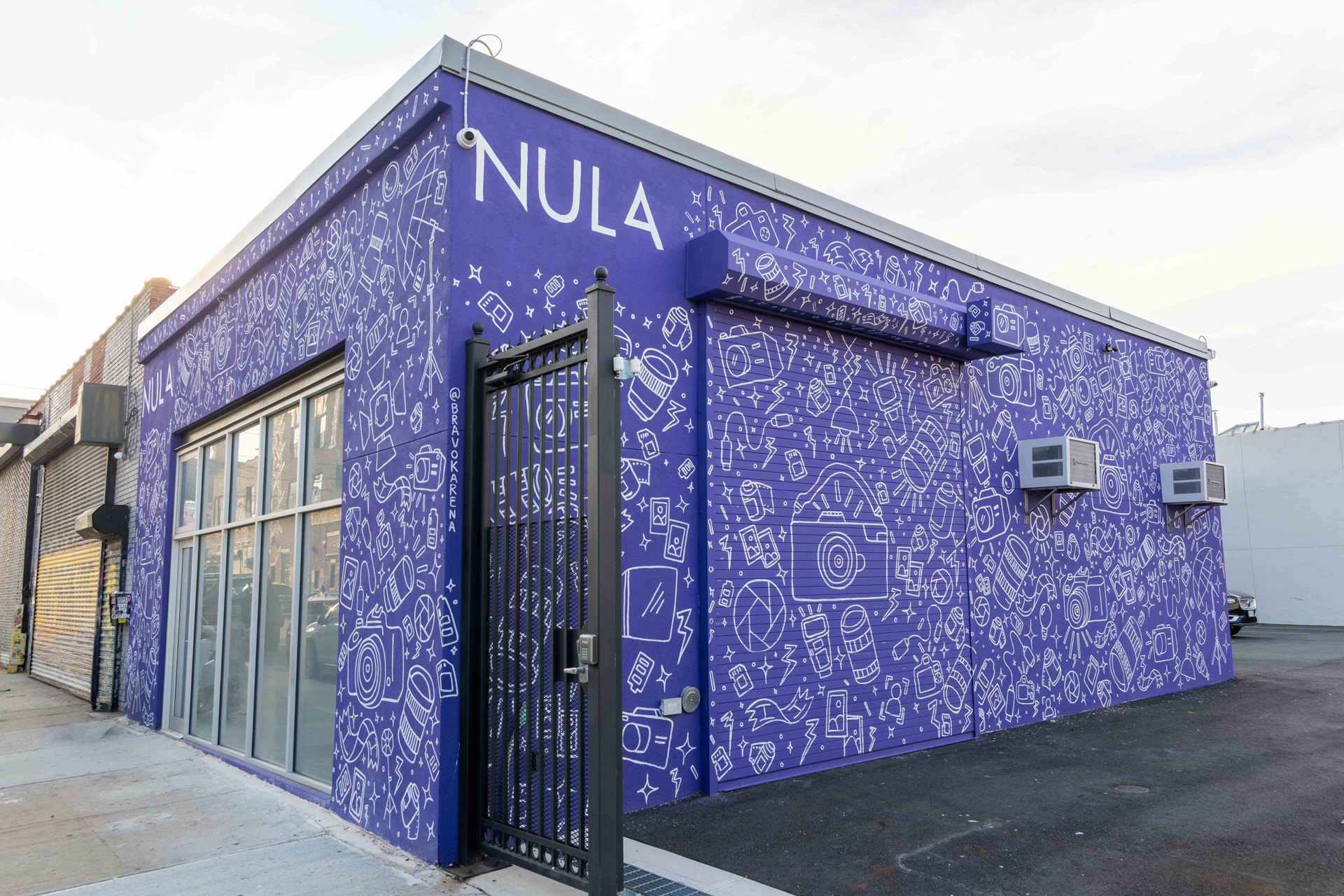
I came to New York from Bosnia in 2018. Not to a job or a client list — to nothing at all. A year later I rented a 500 square foot room in Brooklyn and put a camera in it, and when it came to naming the place the honest answer was already in my own language.
People assume it is an acronym, or Latin, or someone’s initials. It is simply the word for where I started, and it is still on the corner of the building.
Every photograph starts there too.
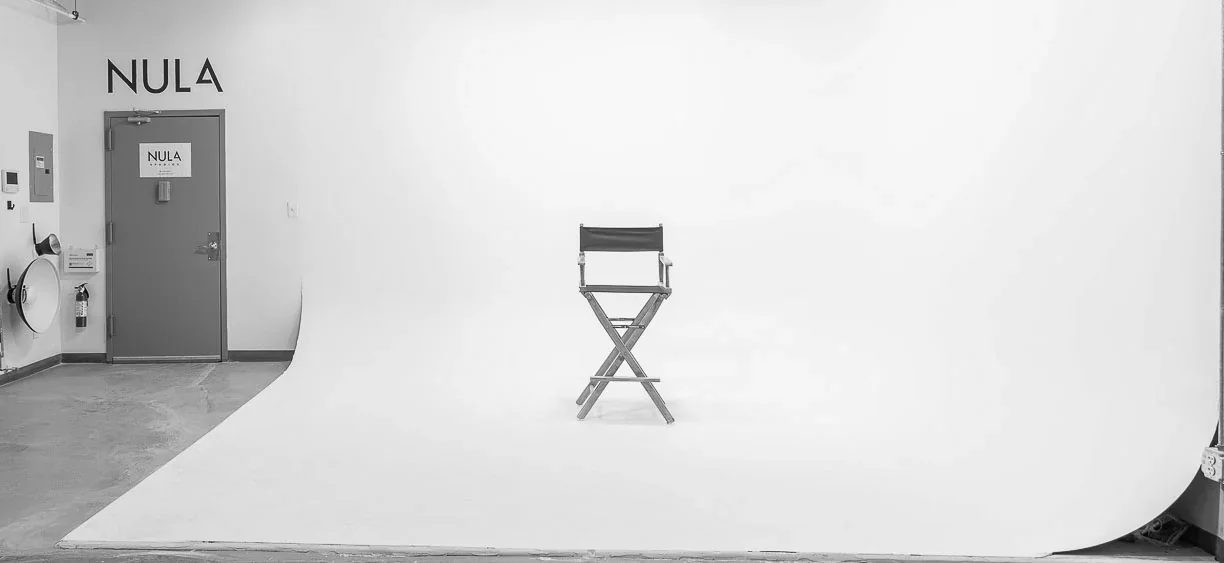
The name turned out to describe the work as well as the start. A shoot begins in an empty white room — no set, nothing in the frame, no decision made yet. Whatever ends up in the picture is built from nothing: the light, the angle, where the product sits, what gets taken away again.
People ask how long the studio has been here, and the honest answer takes a minute, because the first part of it happened before there was a studio at all.
2018 Hasan arrived in the United States from Bosnia & Herzegovina. No clients here, no studio, no equipment, nothing in this country that could be called a start. That is the year the name comes from.
There was no plan to build a brand out of it. The plan was to do the work well enough that the next job came from the last one, which is still more or less how this place runs.
2019 Studio Nula opened in one rented room in Brooklyn. Five hundred square feet, one sweep, two lights, one person shooting.
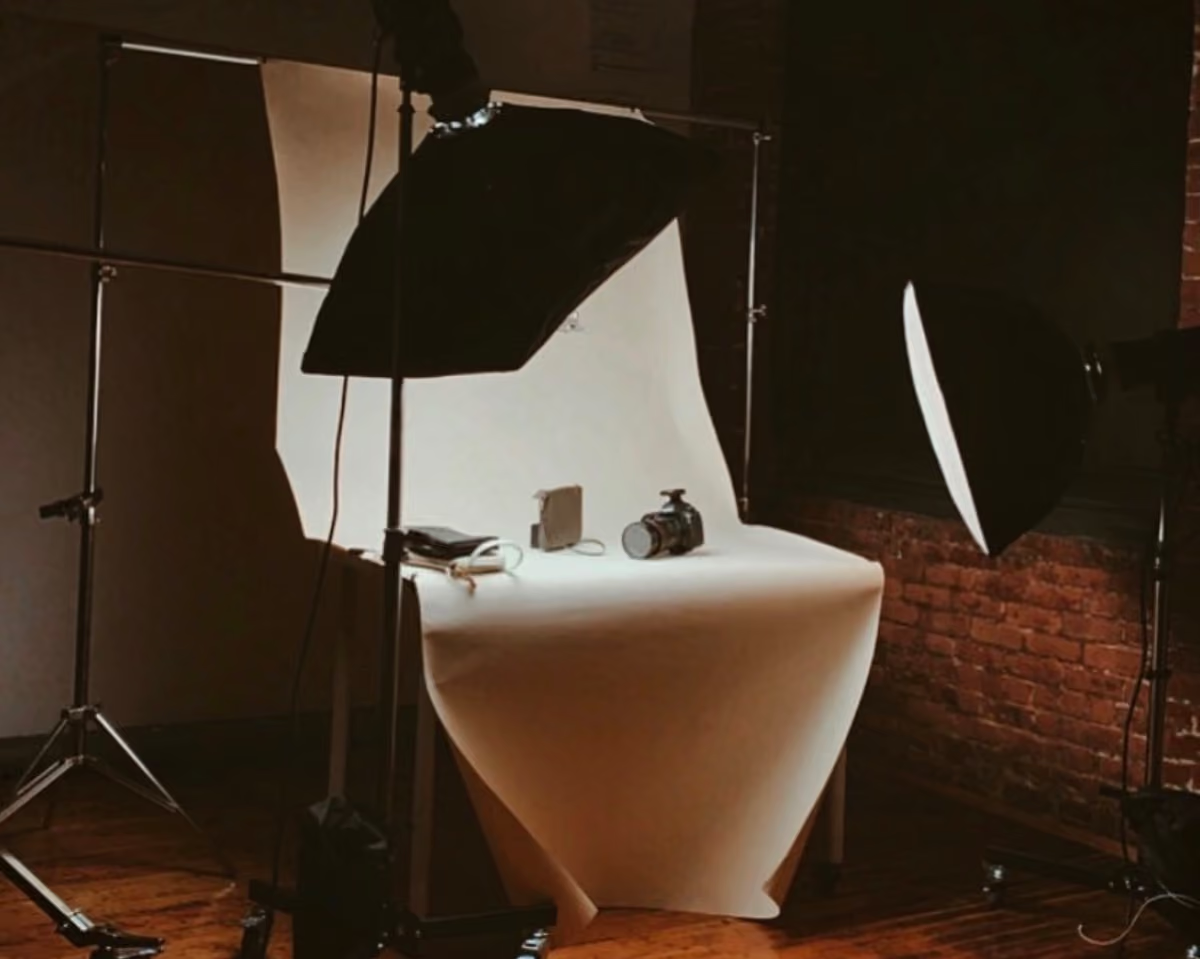
Every room after that was paid for by the work that came out of the one before it.
2020 There was more work than one room could take, so a second one opened. It is also the year Studio Nula stopped being one person.
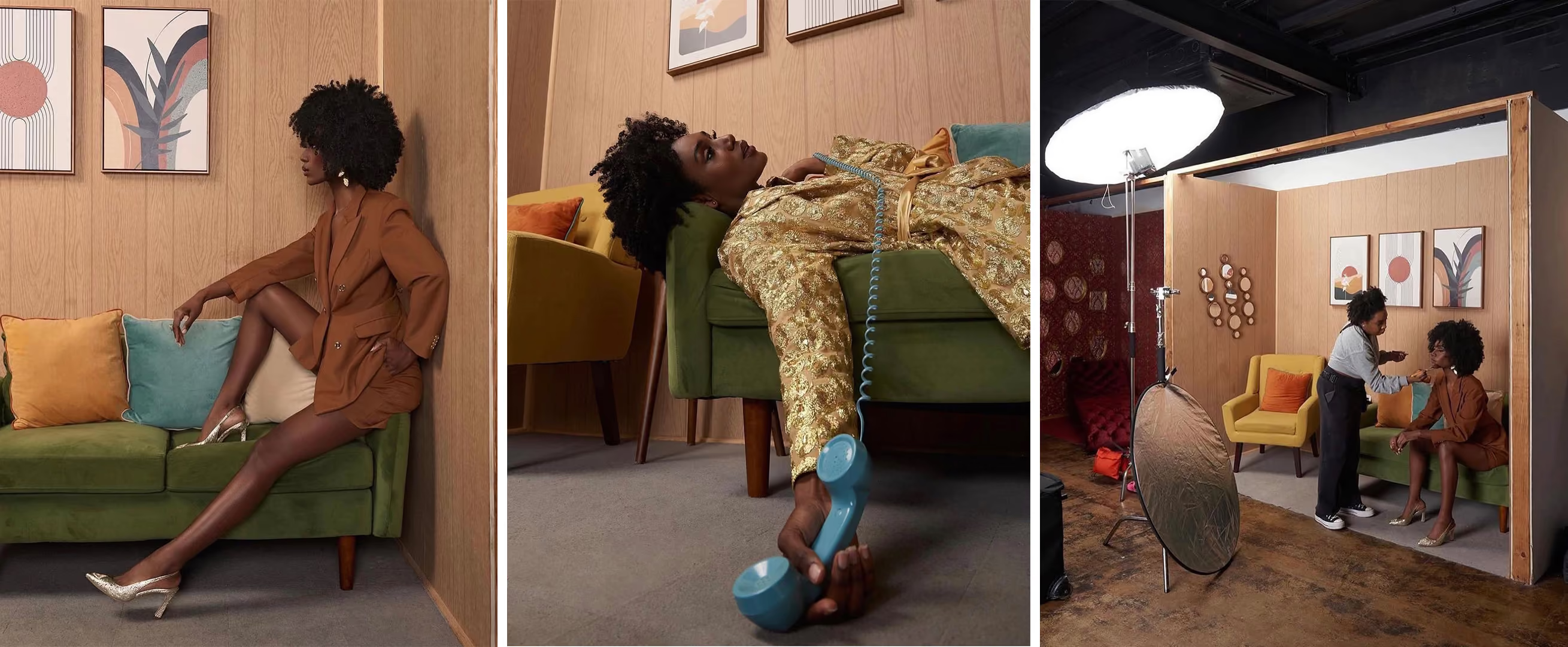
By 2021 there were four rooms, and the work had changed as well as the volume. Clients who came for product shots on white started asking for campaigns: something built rather than simply lit. So we began building sets — and a set made for one brand would get asked for by the next, until custom sets and social campaigns were a real part of what the studio does, alongside the straightforward on-white work that is still the backbone of it.
.avif)
2022 A robot joined the Nula team and we started offering motion control. It is the least romantic purchase in the studio’s history and it changed the work more than anything else that year. The arm repeats one move exactly, so the hundredth shoe in a catalogue is framed, angled and lit like the first, and a whole range sits the same way down a category page.
In 2023 we built the first cyclorama studio — a curved wall with no seam and no corner, which is what you need to photograph a whole person rather than a product on a table. On-model video for product pages started there, and so did staged product shots: not a sweep, a scene.
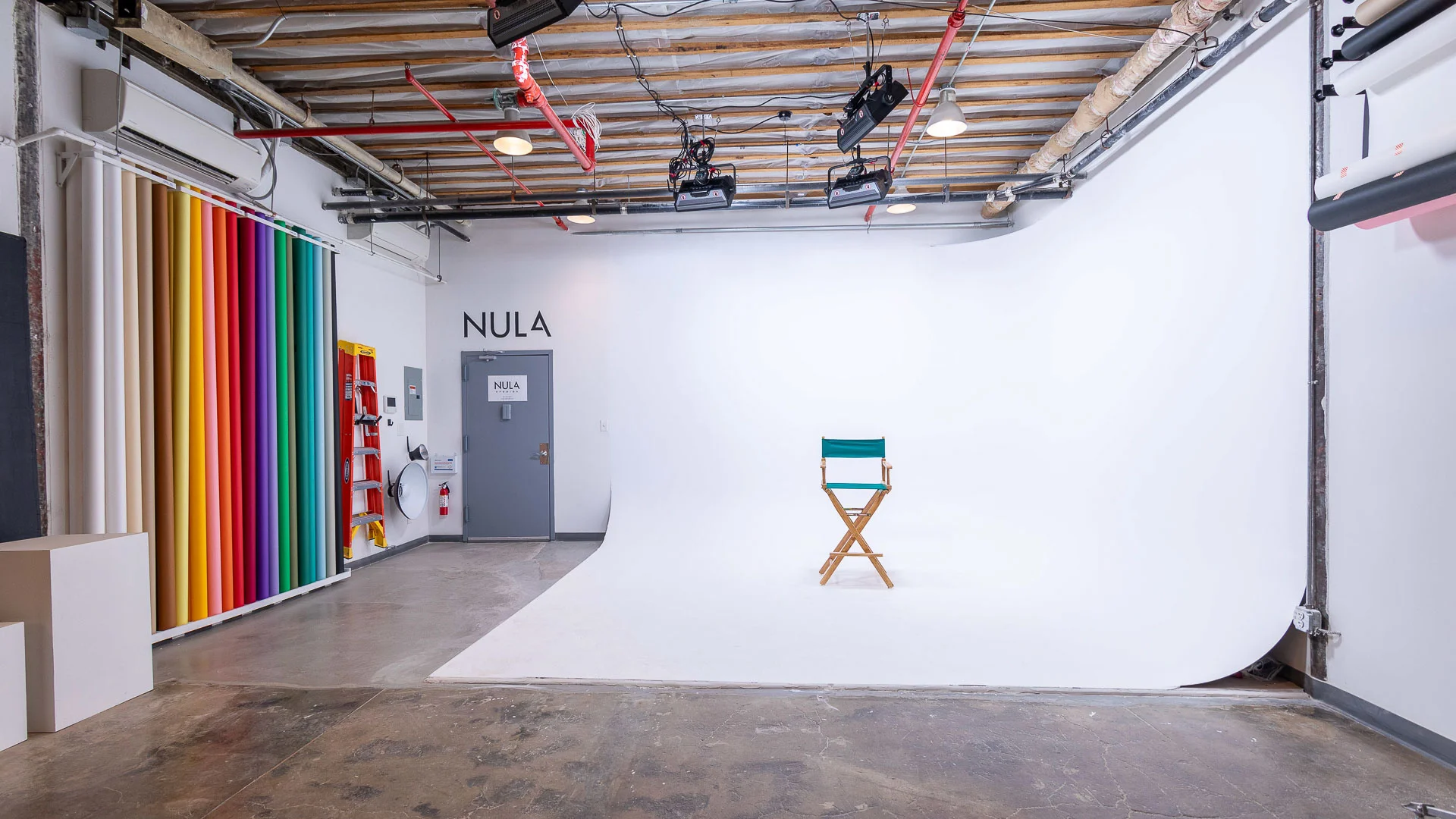
Consistency is not a styling achievement. It is a machine doing the same thing a hundred times.
2024 The seventh room opened, for the plainest reason there is: what we are asked for most is still straightforward e-commerce photography and on-model shoots, and seven rooms means several brands can shoot on the same day without queueing behind each other.
.webp)
The bigger change that year was not a studio. We built our own software, so a client has one place to work from — follow a shoot from request to delivery, and keep templates and image preferences on file so the specification never has to be re-explained. Have a look at the dashboard
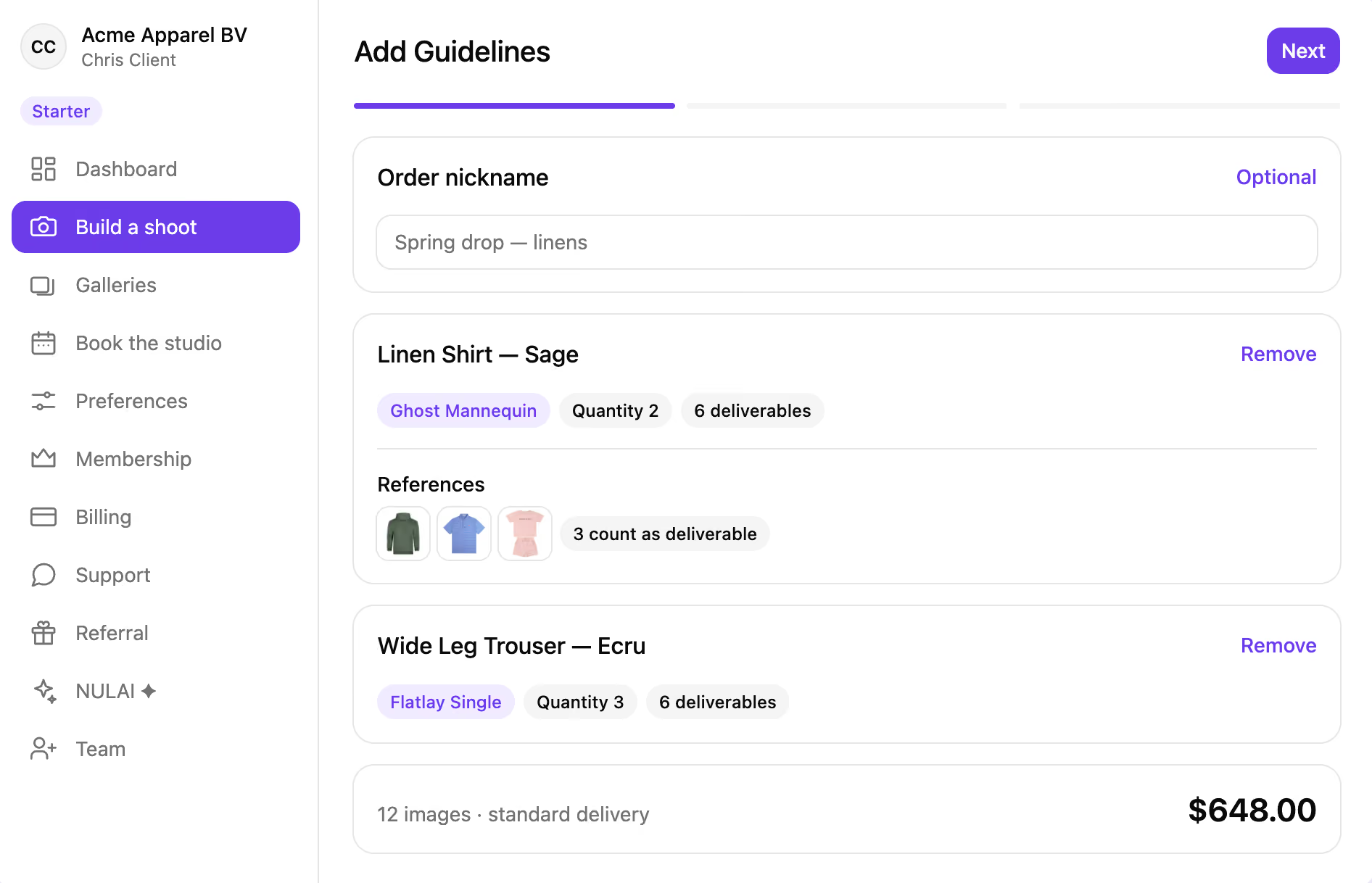
In 2025 the eighth and ninth studios opened, both cycloramas and both bigger than the first, with the space for shoots that need a crew, a built set and a camera that moves. The software grew with them: AI tools, team collaboration so more than one person at a brand can work on the same shoot, and live virtual attendance for clients who are not in New York and want to watch their day as it happens.
Today there are ten studios across four locations in Brooklyn, several photo and video shoots on any given day, and hundreds of brands across the United States sending their products here. We are still expanding to more studios and still improving the software, for the same reason as in the first one: the next job comes from the last one.
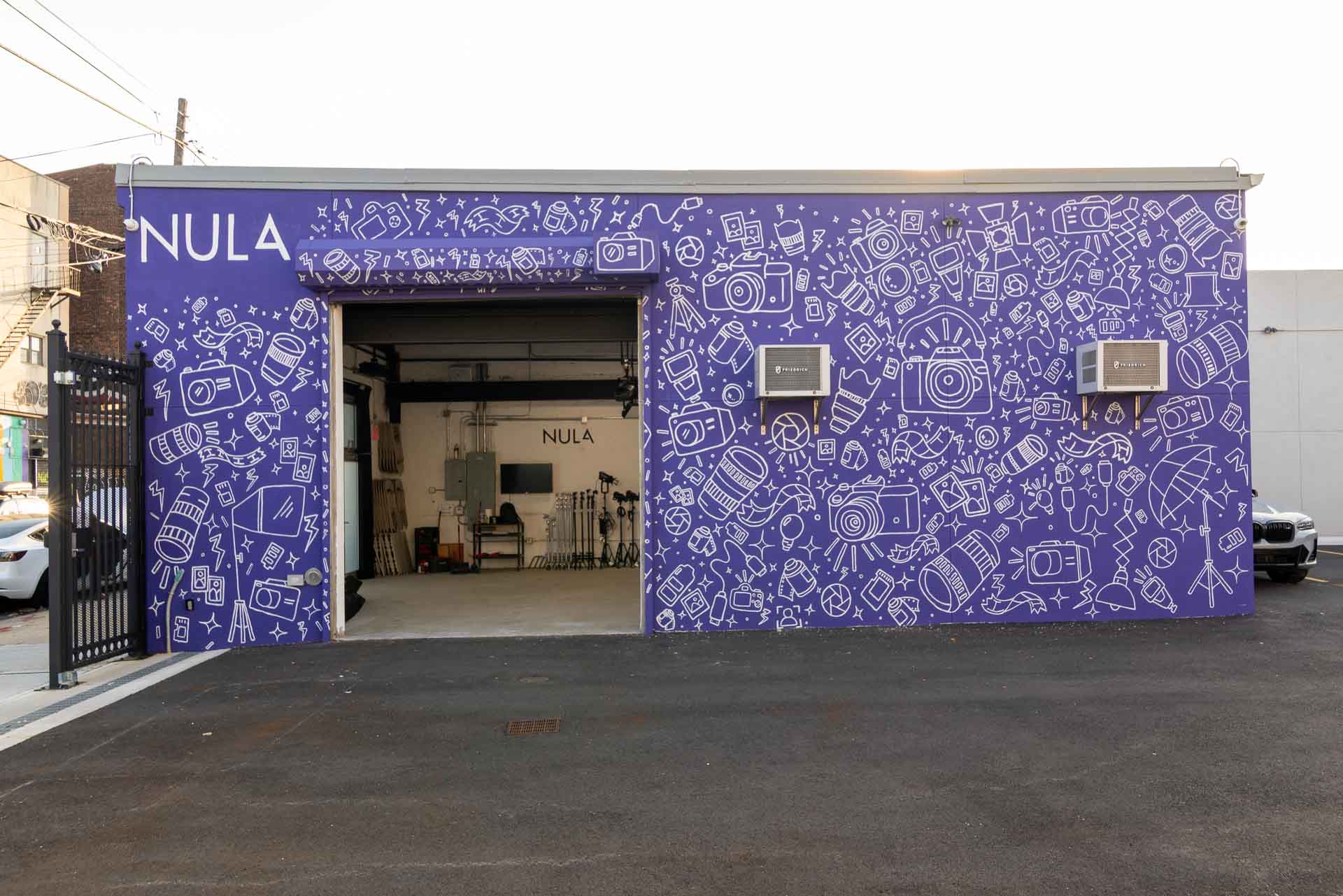
A studio with one room photographs your range when it has a gap. We built the studios so the date you need is the date you get — and so a repeat order can go back onto the same set it was shot on the first time.
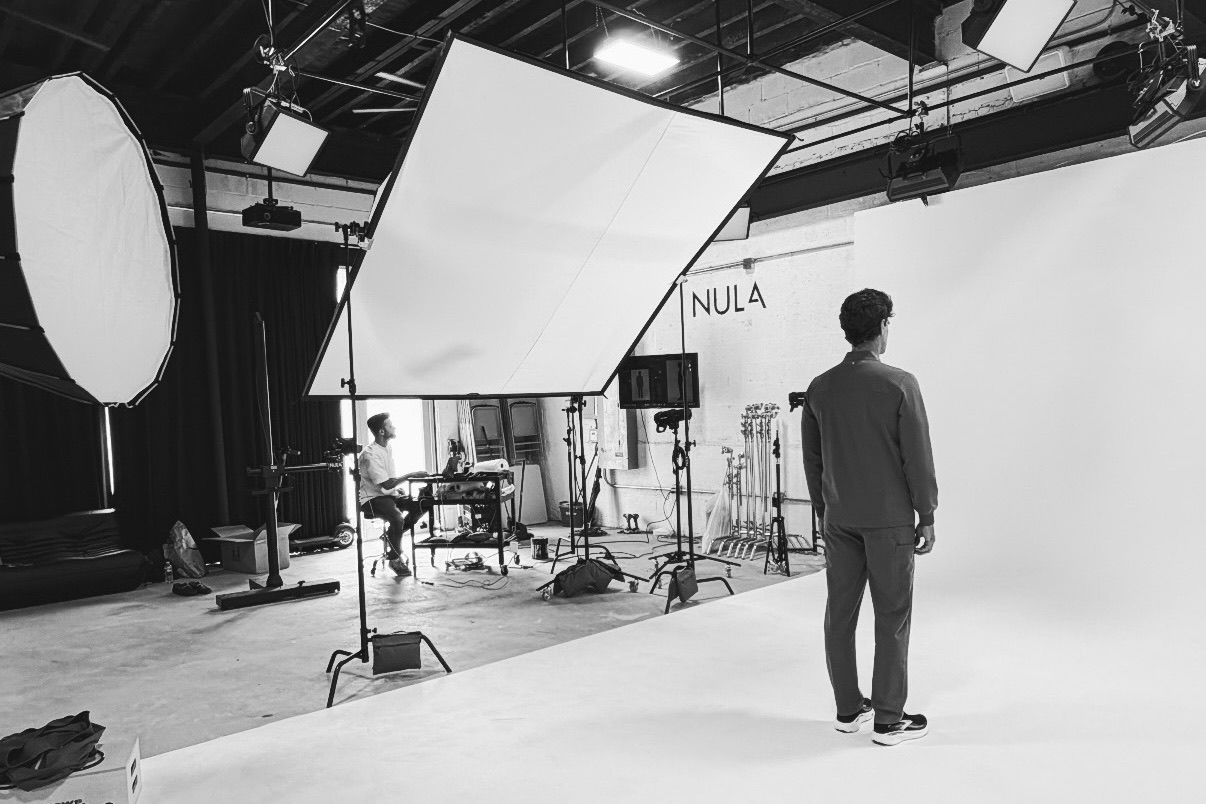
The hard part is the two hundredth. Same angle, same light, same white — months later, when the first run has sold through and a new colourway has to sit beside it on the same grid without looking like it was shot somewhere else. That is the problem this studio is built around.
Four answers, and not one of them is about which camera we own.
Curved cycloramas, so there is no seam and no corner — and a rack of around twenty paper colours beside them. The same sweep, lit the same way, whether the shot is today or a reshoot in March. White is the default because the marketplaces insist on it; anything else is $3 an image, not a different shoot.
Capture is tethered to a monitor in the room. A soft frame or a crooked hem is caught while your product is still in front of the lens — not three weeks later, by you.
For a range in six colourways, the arm repeats the identical move over every one. People are better at styling and worse at doing the same thing forty times.
Format, background, size and margins are set once on your account, and every image comes back to them. You stop writing the same email.
Starting from zero is also how you learn what a first order feels like.
Most of the brands we photograph are somewhere we have been. That is the reason the first shot is free and nothing is owed on it — not a marketing device, just the offer we would have wanted in our own first year. Send one product, see how it comes back, and decide after that.
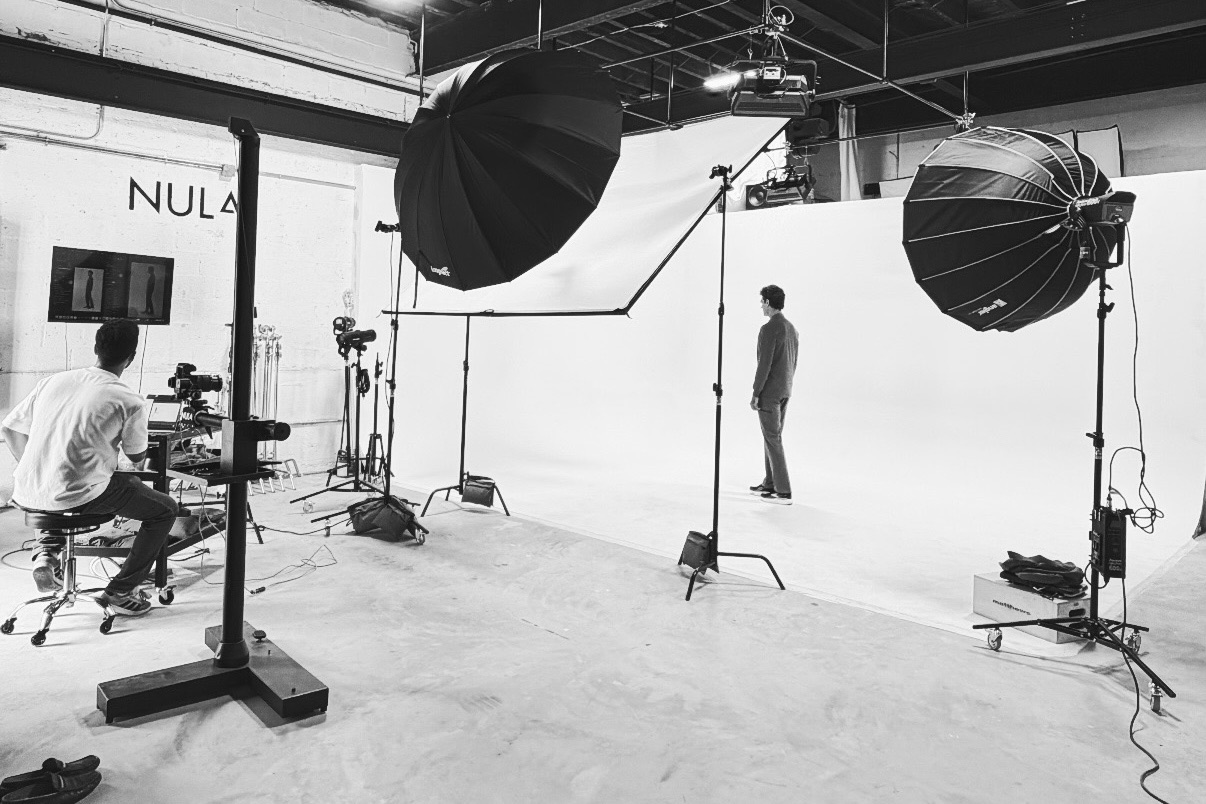
You are welcome at the studio, and most clients never come — they ship the products in and download the images. Either is normal.
Send one product. The first shot is free.


