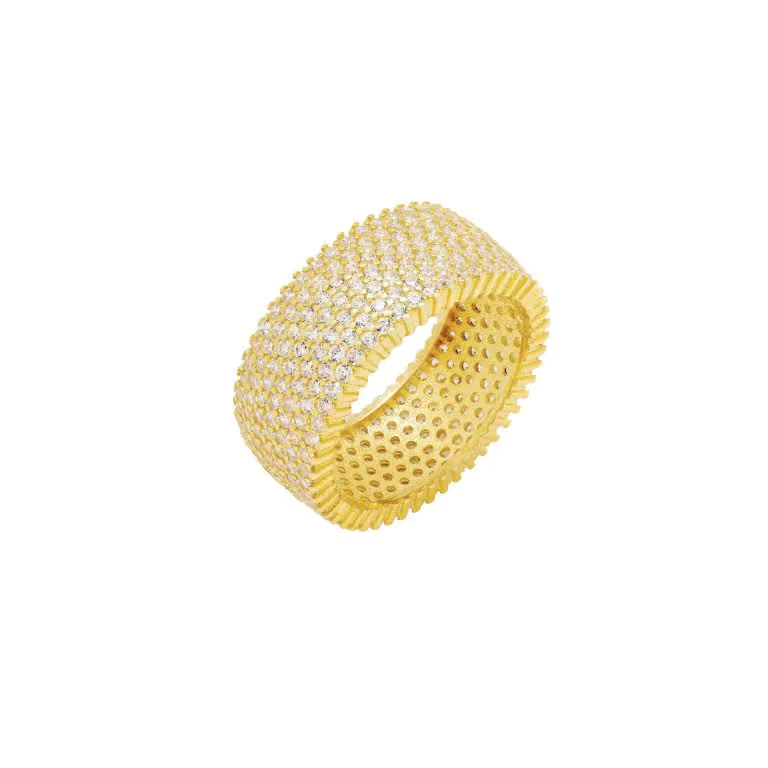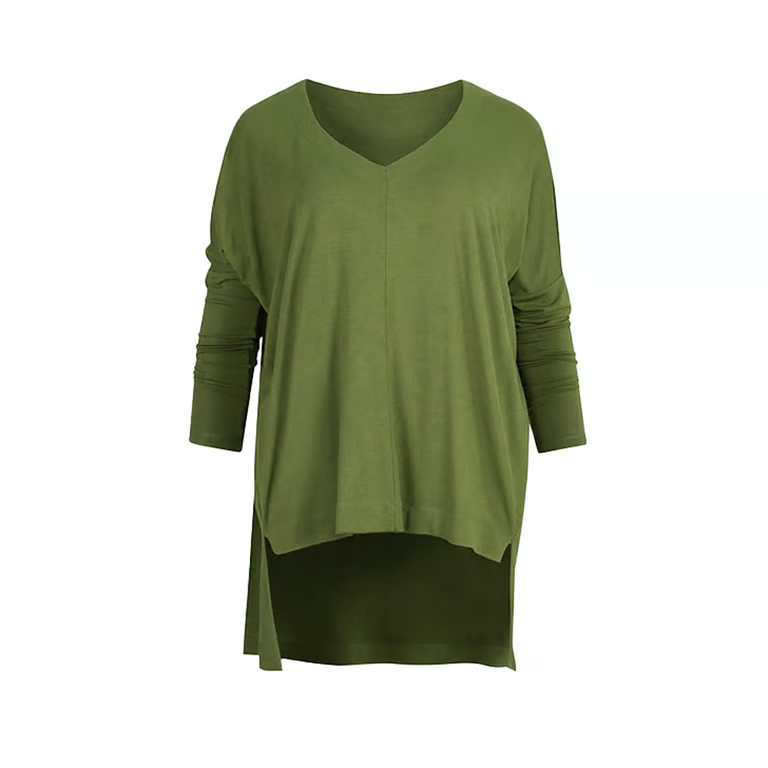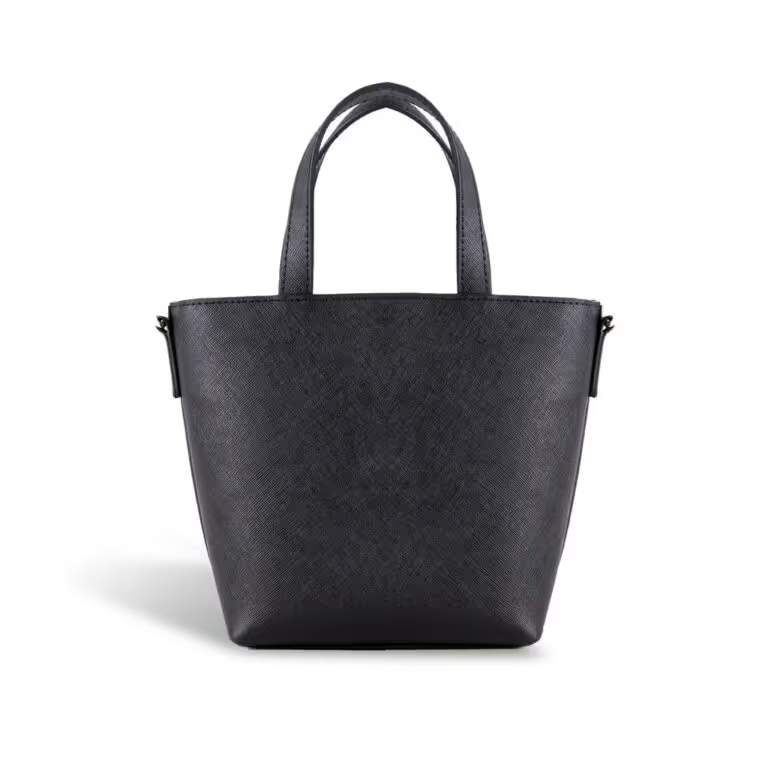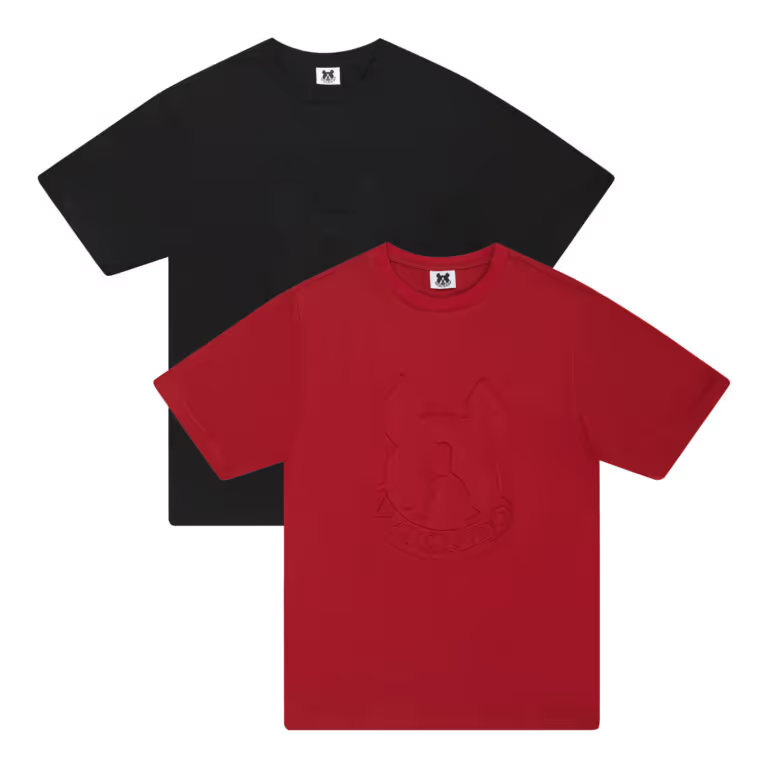
Setup, garment prep, styling, light and editing: everything that goes into a clothing flat lay that sells, and when another kind of shot will do the job better.
A flat lay is a product laid flat on a surface and photographed from directly above. For clothing it is one of the most common ecommerce shots: quick to set up, easy to keep consistent across a range, and clear about color, print and shape. This guide covers how to set one up, prepare and style the garment, light it and edit it, and when another kind of shot will sell the garment better.
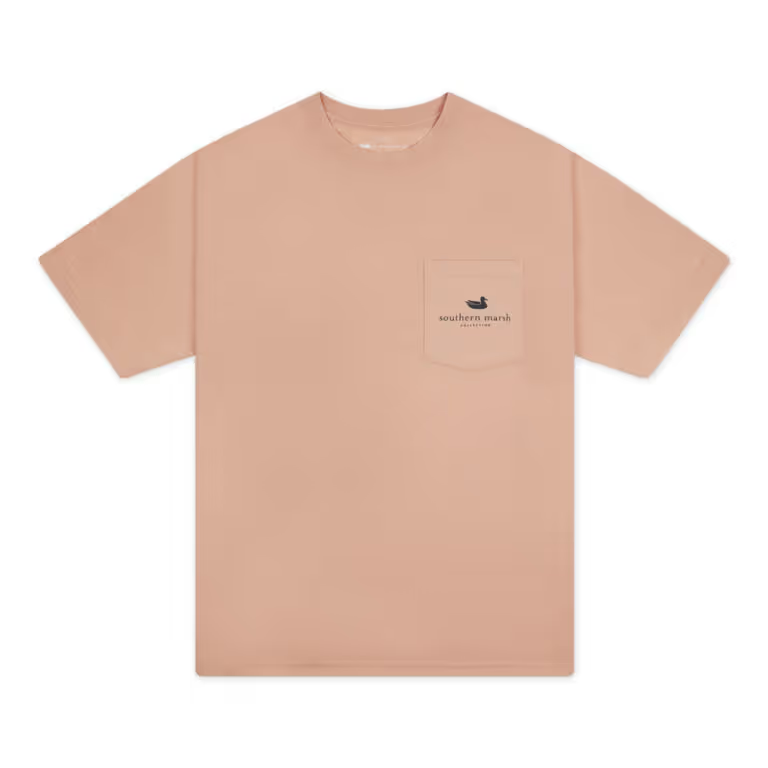
When a flat lay is the right shot
Flat lays work best for garments that keep their shape lying down: T-shirts, sweatshirts, knitwear, denim, kidswear and many accessories. They are also the fastest way to shoot a large range, because every product goes through the same setup.
They are a weaker choice for anything whose appeal is in its fit or structure. A tailored jacket or a dress usually reads better as a ghost mannequin shot, which shows the garment's shape with nobody inside it, or on a model.
What you need
- A way to shoot straight down. An overhead camera stand, or a tripod with a horizontal arm, holds the camera fixed above the garment. A ladder works for a handful of shots but makes consistency hard.
- A lens that does not distort. A standard focal length, around 50mm on a full-frame camera, keeps hems and sleeves straight. Wide-angle lenses bend straight lines near the edges of the frame.
- Soft, even light. Two softboxes, one either side of the garment, or a large window with diffused daylight, lights the fabric without hard shadows.
- A clean surface. White seamless paper or a large white board for listing images, or a neutral color for styled shots.
- Prep tools. A garment steamer, a lint roller, pins or clips, and tissue paper.
Preparing the garment
- Steam out every crease, including the fold lines from packaging.
- Remove lint, loose threads and dust with a lint roller.
- Button, zip and fasten everything the way a customer would wear it.
- Fill the body lightly with tissue paper, so the garment has a little volume instead of lying completely flat.
- Line up the side seams and shoulders so the garment sits symmetrically, and lay the sleeves in the same pose on every product.
Single, pair or group
A single flat lay shows one garment and nothing else; it is the standard listing image. A pair puts two pieces in one frame, such as a top with its matching bottom, or the same style in two colorways. A group lays out a whole outfit, with shoes and accessories arranged around the garment, and is the shot brands use for lookbooks, social posts and collection pages.
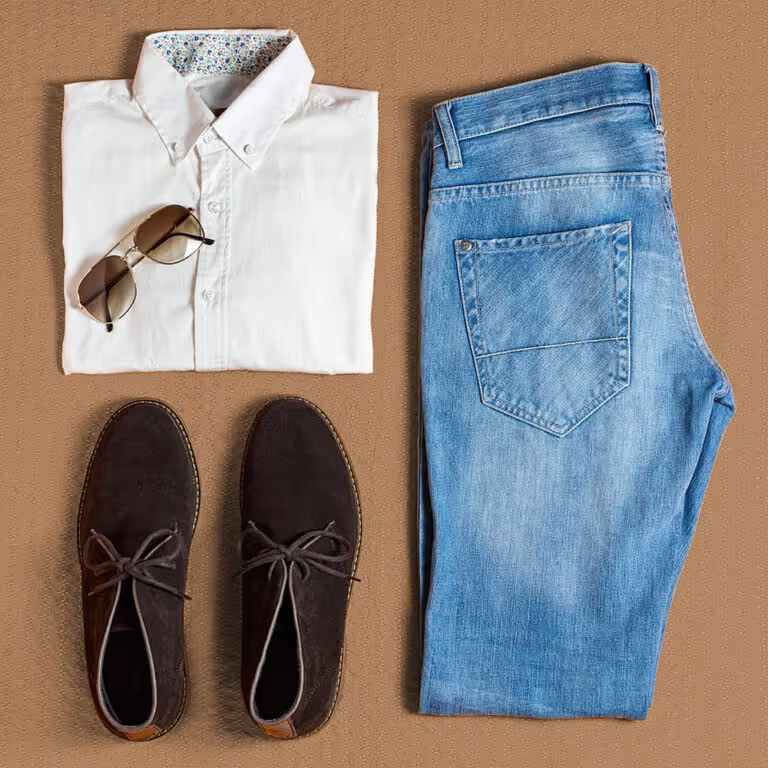
Whichever you choose, keep it the same across the range: the same camera height, the same crop and the same margin around every garment. Consistent framing is what makes a category page look like one collection rather than a pile of photos.
Light and camera settings
- Keep the camera sensor parallel to the surface. If the camera tilts even slightly, a rectangle turns into a trapezoid; a small spirit level on the camera helps.
- Set a custom white balance from a grey card under your lights, so whites stay white and colors match the real product.
- Shoot tethered to a laptop if you can, to check focus, color and alignment on a large screen.
- Use a small aperture, around f/8, so the whole garment is sharp from edge to edge.
- Take close-ups of the details buyers ask about: the fabric, prints, labels and hardware.
Editing
Most flat lays need the same handful of edits: cleaning the background to pure white or an even color, removing dust and threads the lint roller missed, correcting color against the real garment, straightening the frame, and cropping every image to the same size and margins. Many marketplaces require a pure white (#FFFFFF) background for the main image, so check the rules where you sell.
Common mistakes
- Creases left in, especially the fold lines from packaging.
- A tilted camera, which makes straight hems look skewed.
- Hard shadows from a single light source.
- Color that does not match the garment, which leads to returns.
- A different crop or scale on every product.
Doing it yourself or using a studio
For a few products, a home setup can work well. For a whole range, most of the time goes into steaming, styling and retouching rather than pressing the shutter, and keeping hundreds of images identical is the hard part. Studio Nula shoots flat lays from $39 an image with steaming, styling and retouching included, pairs at $78 and styled outfit groups at $119. See flat lay product photography for examples and the full price list.